Choosing the Right Flooring for Okanagan Homes Carpet Vinyl Laminate or Hardwood

Flooring is one of the few renovation choices that affects every step, sound, and sightline in a home. A beautiful floor can still be the wrong fit if it feels cold underfoot, shows every scuff, or does not hold up to pets, kids, sand, snow, and daily traffic.
For homeowners in Kelowna, West Kelowna, Vernon, Lake Country, and across the Okanagan Valley, the right flooring choice often comes down to balance. Style matters. So does comfort. Durability matters too, especially in homes that move between lake days, ski weekends, muddy springs, and dry summer heat.
This guide explains the main differences between carpet, vinyl, laminate, and hardwood, how to compare them for real life, and how finishes, baseboards, trim, preparation, and installation all shape the final result.

Start with how each room is used
Before comparing flooring samples, think about what each room has to handle. A bedroom has different needs than an entryway. A basement family room has different concerns than an open-concept kitchen and living area.
A good flooring decision starts with a few practical questions:
Will people walk through with wet shoes, snow, or sand?
Do pets use this area every day?
Is comfort underfoot more important than scratch resistance?
Does the room get strong sunlight?
Is sound control a concern?
Will the floor connect to stairs, hallways, or other rooms?
In many Okanagan homes, daily life includes indoor-outdoor movement. Lake Country homes may deal with sand and moisture from outdoor activities. Vernon and Kelowna homes may see snow, road grit, and boots through the colder months. West Kelowna homes with busy family spaces may need surfaces that are easy to clean and forgiving.
The best choice is rarely based on one feature. It is usually the material that fits the room’s use, the home’s style, and the amount of care the homeowner wants to take on.
Compare carpet, vinyl, laminate, and hardwood
Each flooring material has strengths. Each also has limits. Understanding those trade-offs makes it easier to choose with confidence.
Flooring type | Best suited for | Main strengths | Things to think about |
Carpet | Bedrooms, family rooms, stairs, cosy spaces | Soft, warm, quiet, comfortable | Can stain more easily and needs regular cleaning |
Vinyl | Kitchens, entries, laundry areas, basements, busy rooms | Water-resistant options, easy care, many styles | Product quality and subfloor prep affect the finished feel |
Laminate | Living rooms, bedrooms, hallways, family areas | Durable surface, wood-look styles, practical maintenance | Moisture exposure and installation details matter |
Hardwood | Main living areas, dining rooms, bedrooms | Natural beauty, long lifespan with care, classic feel | More sensitive to moisture, scratches, and humidity changes |
Carpet feels warm and quiet
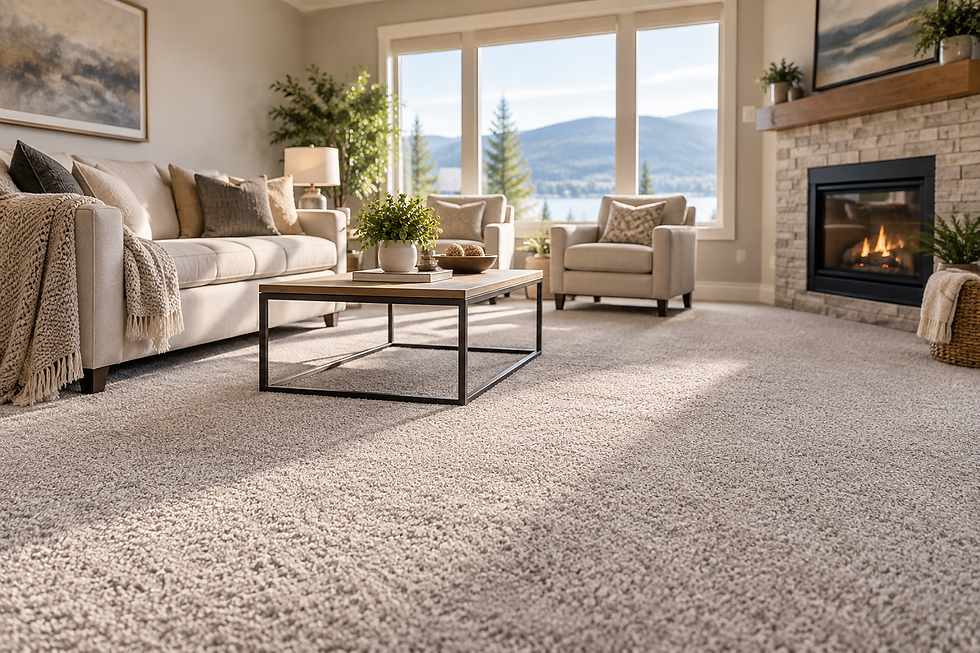
Carpet is still a strong choice where comfort matters most. It softens sound, feels warm underfoot, and creates a relaxed feel in bedrooms, media rooms, and lower-level living spaces.
It can also make stairs feel safer and quieter when installed properly. Texture matters here. A dense, lower-profile carpet may handle traffic better than a loose, plush style in a busy hallway. A softer carpet may feel better in a bedroom where wear is lighter.
Carpet is not the easiest choice for areas near exterior doors, kitchens, or rooms where spills are common. It also needs regular vacuuming and periodic cleaning to keep it looking its best.
Vinyl is practical for busy homes
Vinyl flooring has become popular because it can mimic wood or stone looks while offering practical performance. Many vinyl products are designed for water resistance, which makes them useful in entries, kitchens, laundry areas, and basements.
For Okanagan homes where wet shoes, pets, and everyday messes are part of life, vinyl can be a smart fit. It is often comfortable to walk on and easy to clean with regular sweeping and damp mopping, based on the manufacturer’s guidelines.
The look and feel of vinyl can vary a lot between products. Some have deeper texture, stronger wear layers, and more realistic plank variation. This is where material selection assistance can help narrow down options that suit the space rather than choosing from a sample alone.
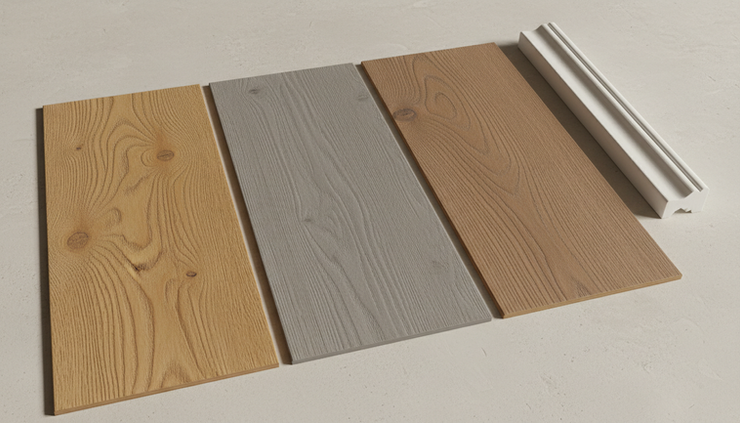
Laminate offers a durable wood-look option
Laminate flooring is known for its tough wear surface and wide range of wood-look designs. It can work well in living rooms, bedrooms, hallways, and family spaces where homeowners want the appearance of wood with practical day-to-day durability.
It is usually easy to maintain, but it still needs care around moisture. Spills should be wiped up promptly, and the right underlayment and installation approach matter. Laminate can also sound different underfoot depending on the product, subfloor, and underlay used.
When choosing laminate, look closely at the plank pattern. Better designs use varied boards and more natural colour movement. Repeating patterns can look less realistic once installed across a large room.
Hardwood brings natural character
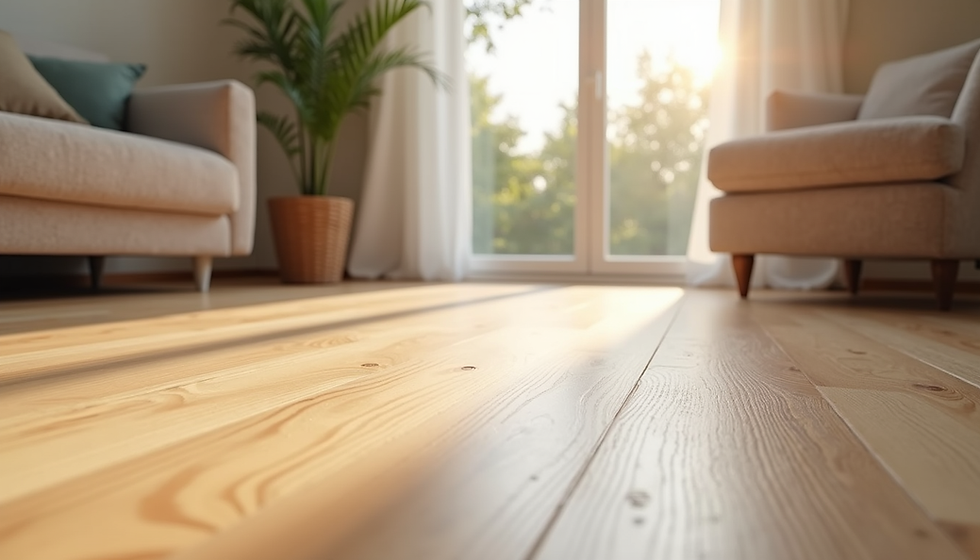
Hardwood has a look and feel that manufactured products try to copy for good reason. Every board has natural variation. It can make a home feel warm, settled, and timeless.
Hardwood works well in living areas, dining rooms, bedrooms, and hallways when the household is ready for the care it needs. It can scratch or dent, and it reacts to changes in humidity. In the Okanagan, where seasons can swing from dry summers to damp shoulder seasons, indoor humidity and proper acclimation matter.
Hardwood is not the best fit for every room. It needs thoughtful placement, professional preparation, and suitable site conditions. With the right care and installation, it can be a beautiful long-term choice.
Match flooring to style, comfort, and everyday durability
Once the material is narrowed down, the next decision is how it should look and feel. A small sample can be misleading, so it helps to think about the whole renovation.
Colour changes the mood of the room
Floor colour affects how open, warm, formal, or relaxed a room feels.
Light flooring can make a space feel larger and brighter. It pairs well with modern, Scandinavian, coastal, and casual interiors. Light oak tones are especially useful in Okanagan homes with lots of natural light because they feel airy without looking cold.
Medium flooring is often the most flexible. Natural browns, soft taupes, and warm beige wood tones work with many cabinet colours, wall colours, and furniture styles.
Dark flooring can look rich and dramatic, but it may show dust, pet hair, and scratches more easily. In bright rooms, dark floors create contrast. In smaller rooms, they can make the space feel heavier.
Grey flooring can work in some homes, but very cool grey tones may feel dated faster than natural wood-inspired shades. If the renovation already includes warm whites, cream cabinets, brass fixtures, or wood furniture, a warmer floor often ties the room together better.
Texture affects both style and maintenance
Texture is not only about appearance. It changes how a floor performs.
A smoother floor can look clean and refined, but it may show footprints or minor marks more easily. A lightly textured floor can help hide small scuffs and dust. Strong handscraped or rustic textures can add character, but they may not fit a sleek renovation.
For homes with pets or active households, a floor with subtle texture and natural colour variation often stays looking better between cleanings. It hides the small signs of daily life without looking busy.
Comfort matters more than people expect
Comfort is easy to overlook in a showroom. At home, it becomes obvious.
Carpet feels soft and quiet. Vinyl can have a little give underfoot. Laminate feels firmer and can sound louder without proper underlay. Hardwood feels solid and natural, but not cushioned.
For bedrooms, comfort and sound control may lead to carpet. For main living spaces, vinyl, laminate, or hardwood may make more sense. For lower levels, the right material depends on moisture conditions, subfloor condition, and how the room will be used.

Use baseboards and trim to finish the renovation properly
Flooring does not stand alone. Baseboards, casing, transitions, and trim can make the difference between a project that looks finished and one that feels pieced together.
Baseboards cover the joint where flooring meets the wall. They also frame the room visually. If the existing baseboards are narrow, damaged, or dated, flooring replacement can be a good time to update them.
A few practical tips help:
Choose baseboard height that suits the ceiling height and style of the home.
Keep trim profiles consistent from room to room where possible.
Use clean, simple trim for modern renovations.
Use more detailed trim only if it fits the age and style of the home.
Plan transitions between flooring types before installation begins.
Transitions need special attention. If carpet meets vinyl, or laminate meets hardwood, the height difference and location of the transition should be planned carefully. Doorways, hallway junctions, and open-concept spaces all need a clean approach.
Colour matters too. White trim gives a crisp, fresh look and works with most floor colours. Wood trim can look warm and natural, but it should coordinate with the floor rather than compete with it. If the floor has a strong grain pattern, simpler trim often works best.
Interior renovation details like these are part of why planning the whole space matters. Wuerz Pro Install Solutions provides flooring installation, interior renovation, and material selection assistance, which helps homeowners connect the floor choice with the surrounding finishes.
Proper preparation and professional installation protect the result
Even a high-quality floor can perform poorly if the surface below it is not ready. Preparation is one of the least glamorous parts of a renovation, but it has a major effect on how the floor looks, feels, and lasts.
Subfloors need to be checked for condition, flatness, cleanliness, and suitability for the material being installed. Old adhesive, uneven areas, moisture concerns, loose boards, or damaged sections can all affect the final result. Different products also have different requirements, and manufacturer guidelines need to be followed.
Professional installation matters because details add up:
Layout affects how planks or seams appear in the room.
Cuts around doors, corners, vents, and stairs need care.
Expansion gaps and transitions must suit the flooring type.
Underlayment must match the product and space.
Doors, baseboards, and trim need proper coordination.
Preparation also helps avoid common frustrations such as uneven spots, gaps, squeaks, poor transitions, or a floor that does not sit correctly. No installer can make every existing condition disappear, but a professional can identify issues early and recommend the right next step.
This is especially helpful in renovations where flooring connects to other work. New flooring may affect baseboard height, door clearance, stair details, cabinet toe kicks, and adjoining rooms. Planning keeps those details from becoming surprises later.

Choose the floor that fits the whole home
The right floor should feel natural in the home, not just attractive in a sample display. A busy entry may need the easy care of vinyl. A quiet bedroom may feel best with carpet. A family room may suit laminate. A main living space may call for hardwood if the home and lifestyle support it.
For Okanagan homeowners, the best choice often comes from looking at four things together:
Style
Choose colours and textures that work with cabinets, walls, furniture, light, baseboards, and trim.
Comfort
Think about how the floor feels underfoot, how it sounds, and how the room will be used.
Durability
Match the material to pets, children, guests, outdoor access, moisture exposure, and traffic.
Installation conditions
Make sure the subfloor, layout, transitions, and finishing details support the flooring product.
A renovation is much easier when material selection, preparation, installation, and finishing are considered as one project. Wuerz Pro Install Solutions helps homeowners in Kelowna, West Kelowna, Vernon, Lake Country, and nearby Okanagan communities with flooring installation, interior renovation work, and material selection assistance.
A good floor does more than cover a surface. It supports daily life, ties the room together, and helps the renovation feel complete from the first step inside.

Comments